|
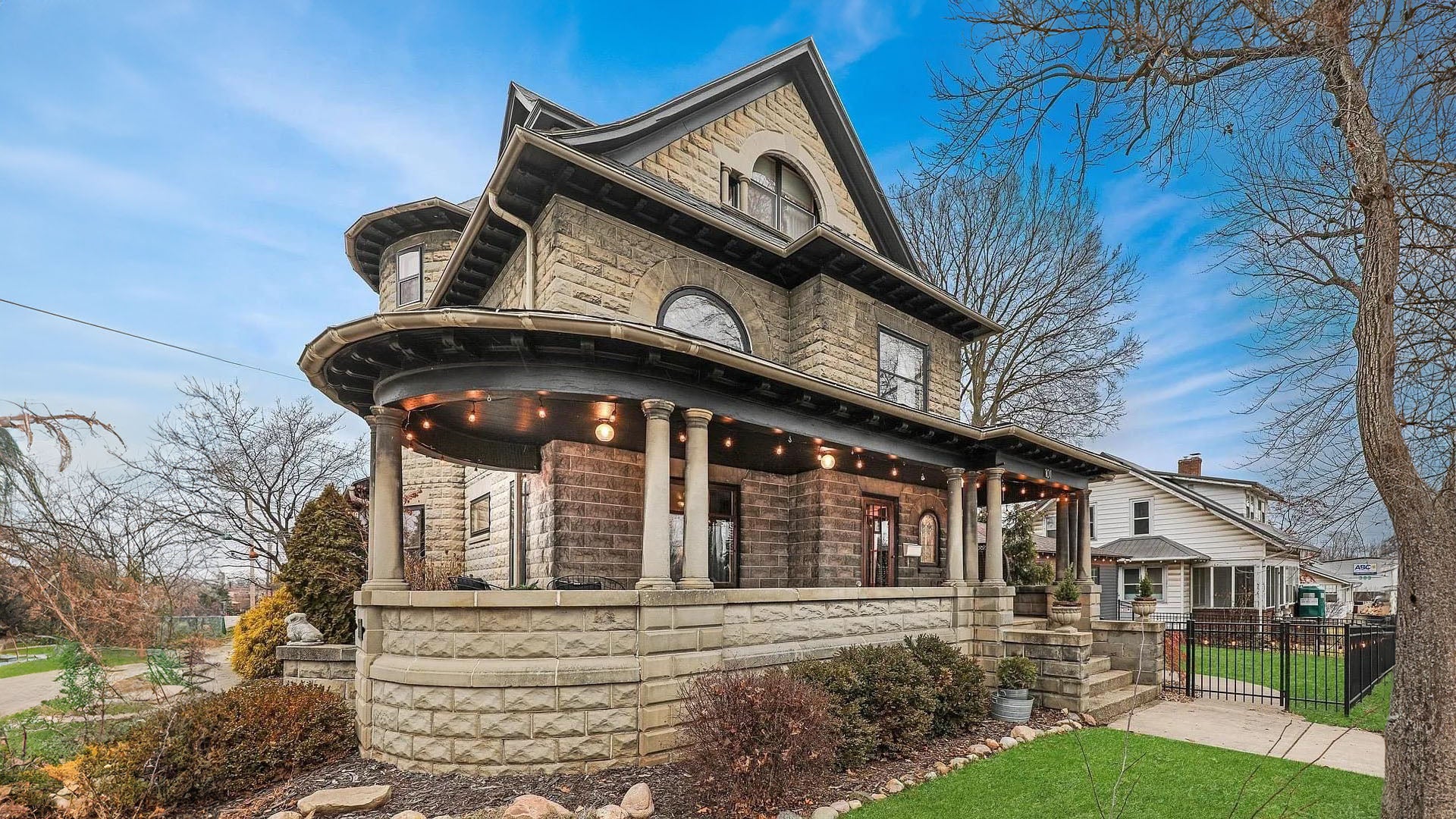
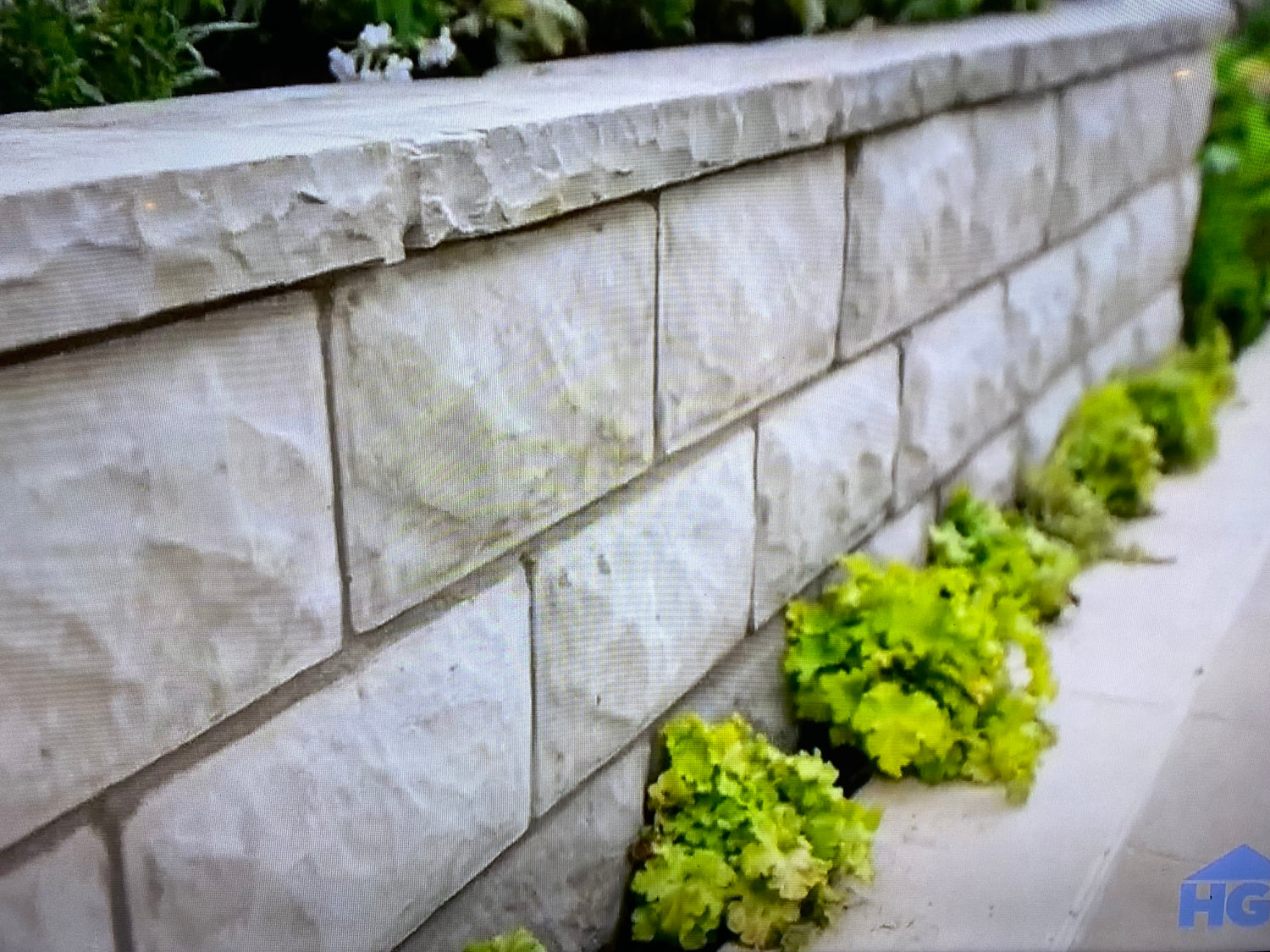
Rusticated
concrete block, also called
rockfaced concrete block,
was made in a mold to create
a surface texture that
resembles stone. Its
popularity as a building
material peaked between 1905
and 1930. Concrete and
concrete block were popular
building materials well
before then, but it took two
technological advances to
make mass production of
rusticated concrete block
possible.
First, Harmon
S. Palmer patented a hollow
concrete block manufacturing
machine. Second, the method
of making Portland cement
was improved and
standardized. With a easy
manufacturing method and
reliable materials,
rusticated concrete block
became a widely popular
building material, the ideal
being that with nonskilled
labor, the blocks could be
made at the construction
site. Block machines were
even sold through the Sears
catalog. Advantages of the
blocks included that they
were less expensive to lay
than brick, they imitated
the appearance of a more
expensive material (quarried
stone), and they were fire
resistant.
In 1917, F. J. Straub
patented a method of making
cinder blocks. Cinder blocks
used aggregates to make a
lighter block, and they had
smooth surfaces rather than
the rough surface of
rock-faced blocks. By the
1930s, cinderblock had
replaced rusticated concrete
blocks in popularity as a
building material.
Sources:
"Historic of the Historic
Largo Feed Store," pamphlet
produced by the Largo
Historical Society, Largo,
Florida.
Pamela H. Simpson, "Cheap,
Quick, and Easy: The Early
History of Rockfaced
Concrete Block Building,"
Perspectives in
Vernacular Architecture,
1989. |
|